Luxury Bleisure Hotels USA: The 2026 Definitive Reference
The hospitality landscape of 2026 has witnessed a profound transformation in the definition of high-end travel. Where luxury was once synonymous with total detachment from the professional world, it is now increasingly defined by the seamless integration of high-stakes productivity and sophisticated restoration. This shift has given rise to a specific class of properties that cater to the “Blended Executive,” the individual whose itinerary requires the digital infrastructure of a command center and the sensory amenities of a five-star retreat.
The traditional business hotel, with its utilitarian desks and sterile lobbies, is struggling to maintain relevance in an era of distributed authority. Conversely, the pure-play leisure resort often lacks the technical resilience and ergonomic standards required for professional output. The emergence of luxury bleisure hotels usa represents a strategic middle ground, engineered to solve the “Friction of Transition.” These properties do not merely offer “free Wi-Fi”; they provide redundant fiber-optic networks, acoustically shielded private pods, and editorial-grade aesthetic environments that serve as a prestigious backdrop for high-level digital engagement.
For the modern organization, selecting these properties is a matter of talent preservation. As the line between work and life becomes increasingly porous, the ability to extend a business trip into a restorative personal stay without sacrificing professional efficacy has become a primary retention metric. The economic impact of this trend is significant, as blended stays typically result in a 30% increase in total property spend, driven by ancillary services like spa treatments, fine dining, and extended room nights. This editorial analysis serves as the definitive reference for understanding the structural and systemic requirements of the premium blended travel sector.
Understanding “luxury bleisure hotels usa”
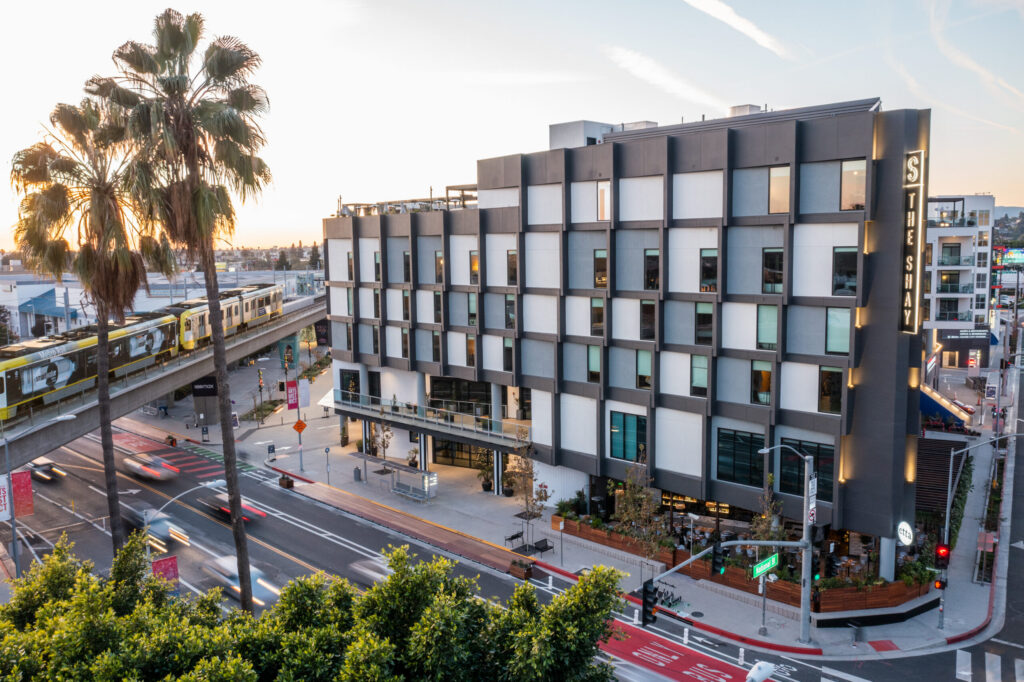
To accurately define luxury bleisure hotels usa, one must look beyond the surface level of thread counts and concierge services. In the view of a senior editorial strategist, excellence in this domain is a trifecta of Infrastructure, Aesthetic, and Autonomy.
Multi-Perspective Explanation
From an Infrastructure Perspective, the luxury bleisure asset must provide “Professional Redundancy.” This includes not only high-speed connectivity but also the availability of on-site IT support, secure document destruction, and ergonomic workstations that do not feel like an afterthought tucked into a corner of the bedroom. The modern executive requires an environment where the “Tech Stack” is invisible but infallible.
From an Aesthetic Perspective, these properties must serve as an extension of the professional brand. The environment must be “Camera-Ready” at all times. A luxury bleisure hotel in 2026 understands that a traveler may need to host a global board meeting from their suite; therefore, the lighting, acoustics, and background design must convey authority and sophistication, rather than a generic vacation vibe.
From a Wellness Perspective, the “Restoration” component must be as rigorous as the professional one. This goes beyond a standard gym. We are seeing the rise of “Bio-Hacking” suites that offer circadian lighting, sound-masking technology, and personalized nutrition programs designed to mitigate the cognitive load of travel.
Oversimplification Risks
A common error is the “Amenity Fallacy,y” assuming that adding a “business center” to a resort makes it a bleisure hotel. In reality, the modern traveler avoids the communal business center in favor of private, integrated spaces. Another risk is “Temporal Blindness,” where hotels fail to adjust their service hours to accommodate travelers working across multiple time zones. A hotel that stops serving high-quality nutrition at 10:00 PM is a failure for an executive on a Pacific-to-EMEA schedule.
Contextual Background: The Evolution of Institutional Hospitality
The trajectory of the American hotel industry has moved from “Segmented Specialization” (1990–2010) to “The Great Blending” (2020–2026). Historically, a property was either a “Convention Hotel” or a “Resort.” There was very little crossover.
By 2026, the rise of the “Chief Mobility Officer” in major corporations has led to a demand for properties that can handle the “Stay-Extension” model. Hotels in secondary markets, Austin, Nashville, and Denver, have led this charge, outperforming traditional hubs like New York or Chicago by offering a more holistic “Work-Play” integration. We have moved from a world where “business travel” was a chore to be minimized to an era where it is a strategic opportunity for personal growth and professional expansion.
Conceptual Frameworks and Mental Models
Strategic selection of these properties requires mental models that prioritize “Operational Continuity.”
1. The “Invisible Command Center” Model
This framework posits that the suite should function as a high-performance office that can be “packed away” in seconds. The transition from a professional workspace to a relaxing evening environment should be effortless, involving hidden ports, integrated desk-to-dining tables, and intelligent storage for peripheral tech.
2. The “Cognitive Load” Heuristic
This model evaluates a hotel by how many “Micro-Decisions” it removes from the traveler’s day. A luxury property should anticipate the traveler’s schedule, offering automated check-ins, pre-set room temperatures, and “One-Touch” professional services. Every decision the traveler doesn’t have to make is a win for their professional cognitive budget.
3. The “Third-Place” Integration
The hotel must act as a bridge between the “First Place” (home) and the “Second Place” (office). This involves creating “Social-Professional Nodes”—lobby environments and lounges where high-level networking can occur organically without the noise of a standard tourist crowd.
Key Categories of Luxury Bleisure Properties
Identifying the right property involves matching the “Stay-Purpose” to the property’s “Operational Strength.”
| Category | Primary Feature | Key Trade-off | Best For |
| Urban Retreats | High-density tech; central hubs. | Limited outdoor space. | 1-3 day intense sprints. |
| Boutique “Work-Lofts” | Highly personalized; residential feel. | Fewer on-site amenities. | Creative/Independent consultants. |
| Resort-Integrated Hubs | Massive wellness/recreation assets. | Potential for “Tourist Noise.” | 4-7 day extensions. |
| Bio-Hacking Suites | Focus on recovery and sleep tech. | Higher price premium. | High-stress regional summits. |
| Club-Level Enclaves | Controlled access; exclusive service. | Can feel isolating. | C-Suite/Confidential projects. |
Detailed Real-World Scenarios and Decision Logic
The “Pacific-Coast Sprint”
A Silicon Valley executive needs to be in Los Angeles for three days of filming and two days of personal downtime in Santa Barbara.
-
The Conflict: Finding a property that handles the chaotic schedule of production with the quietude needed for the weekend.
-
The Logic: Selecting a “Dual-Zoned” property in Santa Monica that offers a dedicated executive wing with soundproofed balconies.
-
Outcome: The executive maintains professional focus during the “Work” days and transitions to the “Leisure” portion without a change in location, saving four hours of transit.
The “Capital Influence” Trip
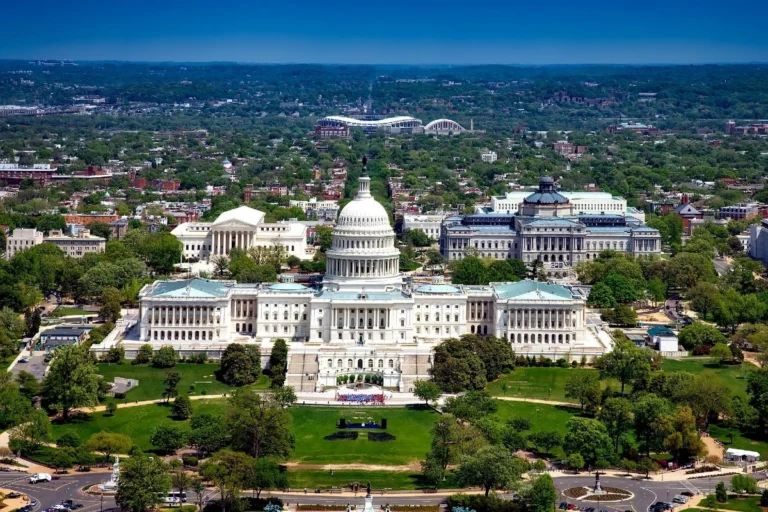
A lobbyist in Washington, D.C. has a week of high-level meetings followed by a weekend of historical research.
-
The Failure Mode: Staying in a traditional “Power Hotel” that is too loud for weekend reflection.
-
The Action: Choosing a property in Georgetown that offers “Library Suites” designed for deep work and quiet restoration.
-
Outcome: The property’s aesthetic matches the professional gravity of the week while providing the intellectual atmosphere required for the personal project.
Planning, Cost, and Resource Dynamics
The economic yield of a bleisure stay is determined by the “Amortization of Transit.”
2026 Luxury Bleisure Price Index (US Average)
| Tier | Avg. Nightly Rate (Suite) | Tech/Wellness Surcharge | “Leisure Extension” Discount |
| Tier 1 (NYC/SF) | $800 – $1,500 | $150/day | 15% (Weekend) |
| Tier 2 (ATX/DEN) | $450 – $800 | $75/day | 25% (Weekend) |
| Tier 3 (Savannah/CHS) | $300 – $550 | Included | 10% (Mid-week) |
Tools, Strategies, and Support Systems
To maximize the value of luxury bleisure hotels, organizations should utilize a “Hardened” support stack:
-
“Folio-Splitting” Automation: Systems that automatically separate professional lodging from personal “Incidentals” (spa, mini-bar) to ensure clean corporate audits.
-
Redundant Connectivity Kits: While luxury hotels offer great Wi-Fi, the high-level traveler often carries a private 6G hotspot as a “Fail-Safe.”
-
Digital “Concierge” Integration: Utilizing apps that allow the traveler to book meeting rooms, order nutrition, and schedule recovery sessions without human interaction.
-
Ergonomic “Fly-Away” Kits: Lightweight, portable laptop stands and mechanical keyboards that turn any suite table into a high-performance workstation.
-
VPN-Hardened Networks: Ensuring the hotel’s “Luxury Wi-Fi” is compatible with high-level corporate encryption protocols.
-
“Bio-Metric” Room Access: Using facial recognition or phone-based keys to minimize the friction of movement within the property.
Risk Landscape and Taxonomy of Failure Modes
-
“The Aesthetic Mismatch”: A hotel that is “too vacation-like” (e.g., tropical music in the lobby), which undermines the professional tone of a high-stakes call.
-
“The Infrastructure Shadow”: Great Wi-Fi in the lobby,y but “dead zones” in the corner suites where the executive is actually working.
-
“The Service Lag”: Luxury properties that prioritize “Leisure Guests” (e.g., families) over the urgent needs of a business traveler (e.g., expedited laundry or late-night tech support).
Governance, Maintenance, and Long-Term Adaptation
-
The “Quarterly Tech Audit”: Evaluating if the hotel’s digital infrastructure is keeping pace with 2026 software demands (e.g., VR conferencing bandwidth).
-
Adaptation Checklist:
-
Does the room have at least three “Clean-Background” angles for video?
-
Is the lighting color-temperature adjustable for “Work” vs. “Rest”?
-
Is there a dedicated, high-output power station at the desk?
-
Does the property offer 24/7 high-quality nutrition?
-
Measurement, Tracking, and Evaluation
-
Leading Indicators: “Mbps per occupied room”; “Average response time for IT requests”; “Noise-floor decibel levels during work hours.”
-
Lagging Indicators: “Return-stay rate for blended travelers”; “Ancillary spend per room night.”
-
Documentation Examples:
-
The “Tech-Readiness” Report: A summary of the property’s digital capabilities provided to corporate travel departments.
-
The “Transition Friction” Score: A qualitative metric based on guest feedback regarding how easily they switched from work to rest.
-
Common Misconceptions and Oversimplifications
-
“More amenities equal more luxury”: False. In bleisure, luxury is the removal of distractions, not the addition of them.
-
“High-speed Wi-Fi is enough”: False. You need low latency and high upload speeds for the 2026 professional environment.
-
“Business travelers don’t use the spa”: False. Executive “Recovery” is a primary driver of weekend extensions.
-
“Any 5-star hotel is a bleisure hotel”: False. Many historic 5-star properties have abysmal ergonomic standards and outdated power layouts.
-
“Bleisure is just for millennials”: False. Senior executives are the primary adopters of high-end blended travel.
-
“The lobby is the workspace”: False. The luxury traveler demands privacy; the “Lobby-as-Office” is for the budget traveler.
Ethical and Contextual Considerations
The rise of the bleisure hotel must be balanced with its impact on local urban environments. In 2026, the ethical luxury property integrates with the local economy without causing “Resource Displacement.” This means sourcing nutrition from local artisans and ensuring that the “Professional Enclave” does not become a gated community that ignores the surrounding neighborhood. Intellectual honesty requires acknowledging that while these hotels are bastions of productivity, they must also be responsible stewards of the cities they inhabit.
Conclusion
The architecture of luxury bleisure hotels usa is a response to the permanent shift in how we perceive work and time. In 2026, the property that wins the loyalty of the elite traveler is the one that respects their professional gravity while honoring their need for restorative silence. Success in this sector is not found in the grandest lobby or the most expensive artwork, but in the precision of the infrastructure and the intuition of the service. For the modern executive, a hotel is no longer just a place to sleep; it is the platform upon which their global influence is projected, and their personal resilience is rebuilt.