Best Bleisure Destinations United States: The 2026 Definitive Reference
The reorganization of the American workforce has transformed the traditional business trip from a discrete, utilitarian obligation into a modular opportunity for high-stakes mobility. In the professional landscape of 2026, the concept of “bleisure,” the deliberate blending of business travel with leisure extensions, has matured far beyond its origins as a tactical travel hack. It is now a recognized strategic lever for talent retention and cognitive sustainability. Organizations and high-level professionals alike have realized that a well-engineered travel itinerary can serve as a potent antidote to the mounting pressures of digital-first working environments, provided the destination possesses the necessary structural integrity.
Identifying a premier hub for these blended experiences requires a forensic evaluation of how a specific geography handles the “Friction of Transition.” This is the logistical, technical, and psychological effort required to shift from a high-stakes professional mandate to a restorative personal experience. A premier destination must offer “Infrastructure Invisibility,” where the digital backbone is robust enough to support enterprise-level security and bandwidth without the traveler ever needing to troubleshoot a connection. When the baseline technical requirements are met, the focus shifts to the “Restorative Depth” of the location, its ability to provide a sensory reset that justifies the extension of a corporate stay.
As urban centers across the United States pivot to accommodate this transient professional class, a new hierarchy of cities has emerged. These locations are no longer judged solely by their convention center capacity or hotel room counts, but by their “Third-Place Density,y” the availability of sophisticated, professional-grade environments outside of the traditional office and the hotel room. This editorial analysis serves as the definitive reference for architecting these mobility events, moving beyond surface-level rankings toward a rigorous framework for geographic selection and professional optimization.
Understanding “best bleisure destinations united states.”
To fundamentally grasp the criteria for the best bleisure destinations in the United States, one must look past the “business hotel” archetype. True bleisure mastery is found in geographies that offer “Structural Symmetry,” where the quality of the professional infrastructure matches the quality of the leisure restoration.
Multi-Perspective Explanation
From an Administrative Perspective, a top-tier destination must simplify the “Audit Trail.” This involves a hospitality sector that understands split-folio billing and provides clear, itemized documentation that separates corporate mandates from personal extensions. Cities that have historically served as corporate headquarters or financial hubs often possess this administrative DNA, making the post-trip expense reconciliation a frictionless process.
From a Cognitive Perspective, the destination must provide “Environmental Variety.” A traveler who spends three days in a windowless boardroom requires a leisure extension that offers a profound sensory shift. This is why cities that bridge the gap between high-density urbanism and immediate natural access consistently outperform their peers. The transition from a glass-enclosed tech hub to an alpine or maritime environment provides the “Attention Restoration” necessary to prevent travel fatigue and burnout.
From a Technical Perspective, “Infrastructure Redundancy” is the primary metric. A premier destination is one where 100% fiber-optic coverage is the baseline, not a premium feature. The best cities are those where a professional can move from a downtown coworking space to a suburban “work-loft” without a degradation in network security or speed. This technical resilience ensures that the “business” portion of the trip is never compromised by the “leisure” geography.
Oversimplification Risks
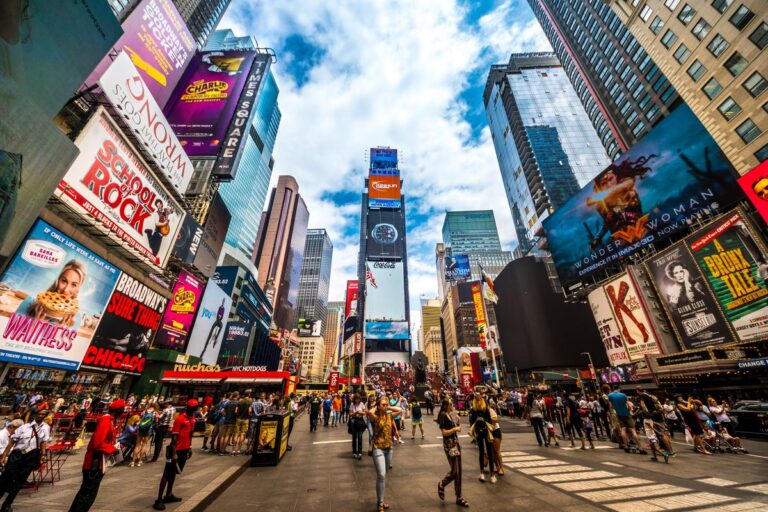
A common error in selecting a destination is equating “High Tourism” with “High Bleisure Value.” Many locations that dominate the tourism sector present significant “Operational Friction” for the solo professional. The noise floor, the crowds, and the focus on mass-market entertainment can make deep work nearly impossible. Conversely, a purely “Business Hub” may offer world-class infrastructure but lack the cultural or natural depth required to justify a three-day personal extension. The ideal selection exists at the intersection of these two extremes.
Deep Contextual Background: The Evolution of Blended Mobility
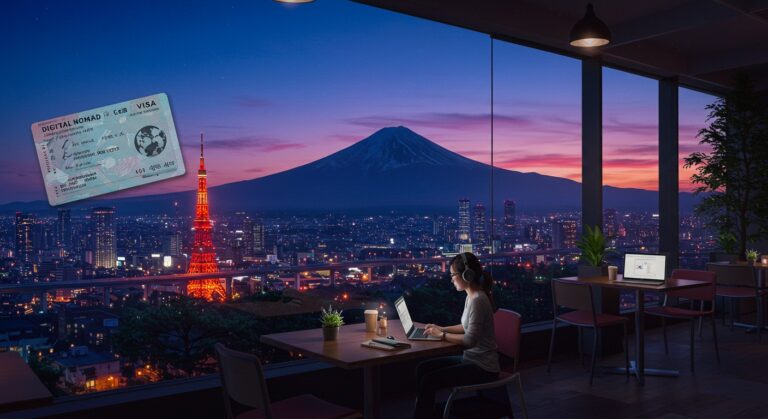
The trajectory of American business travel has moved from “Rigid Linearity” (1980–2010) to “Modular Sovereignty” in 2026. Historically, a business trip was a point-to-point event with a strictly defined start and end. Any deviation was viewed with skepticism by procurement departments and tax authorities. The normalization of remote work and the “Digital Nomad” movement of the early 2020s acted as a catalyst for the current state, where the “office” is defined by connectivity rather than a physical address.
By 2026, we will have seen the rise of “Global Mobility as a Service” (GMaaS) and the “Urban Pivot,” where cities are reinvesting in their downtown cores not to bring back the 9-to-5 commuter, but to attract the “Stay-Extension” traveler. These individuals typically spend 40% more per day than a traditional tourist and utilize city services during off-peak hours, creating a more stable economic ecosystem for the host city. This systemic evolution has created a competitive landscape where cities must prove they can support a “Glow-cation”—a trip where wellness, intellectual output, and restoration are in a state of productive synergy.
Conceptual Frameworks and Mental Models
Strategic selection of a destination requires mental models that prioritize “Operational Continuity.”
1. The “Eight-Minute Rule” Framework
This model posits that a destination’s bleisure value is inversely proportional to the time it takes to move between a professional hub (Airport/Convention Center) and a leisure hub (Nature/Culture). A “Top Tier” city allows this transition in under eight minutes of travel, minimizing “dead time” and maximizing the value of the extension.
2. The “Gigabit-to-Green” Index
This heuristic evaluates the physical distance between a high-speed workstation and a world-class outdoor asset. This index measures the city’s ability to facilitate “Micro-Restoration”—the ability to take a one-hour break in a high-value natural environment before returning to a professional task.
3. The “Third-Place” Density Matrix
This framework looks for destinations with a high density of “Professional Third Places”—high-end cafes, coworking hubs, and library lounges. This ensures the traveler can maintain a “Professional Ambient” even while away from their primary office, reducing the isolation often felt in hotel-room-based work.
Key Categories of U.S. Bleisure Modalities
Identifying the best bleisure destinations in the United States involves matching the traveler’s “Stay-Purpose” to the geography’s “Operational Strength.”
| Archetype | Primary Strength | Trade-off | Representative Cities |
| The Tech Oasis | High-speed infrastructure; deep-work focus. | High cost of leisure services. | Denver, Austin, Seattle |
| The Cultural Anchor | Profound sensory reset; authentic food/arts. | Legacy infrastructure; noise floor. | New Orleans, Nashville, Savannah |
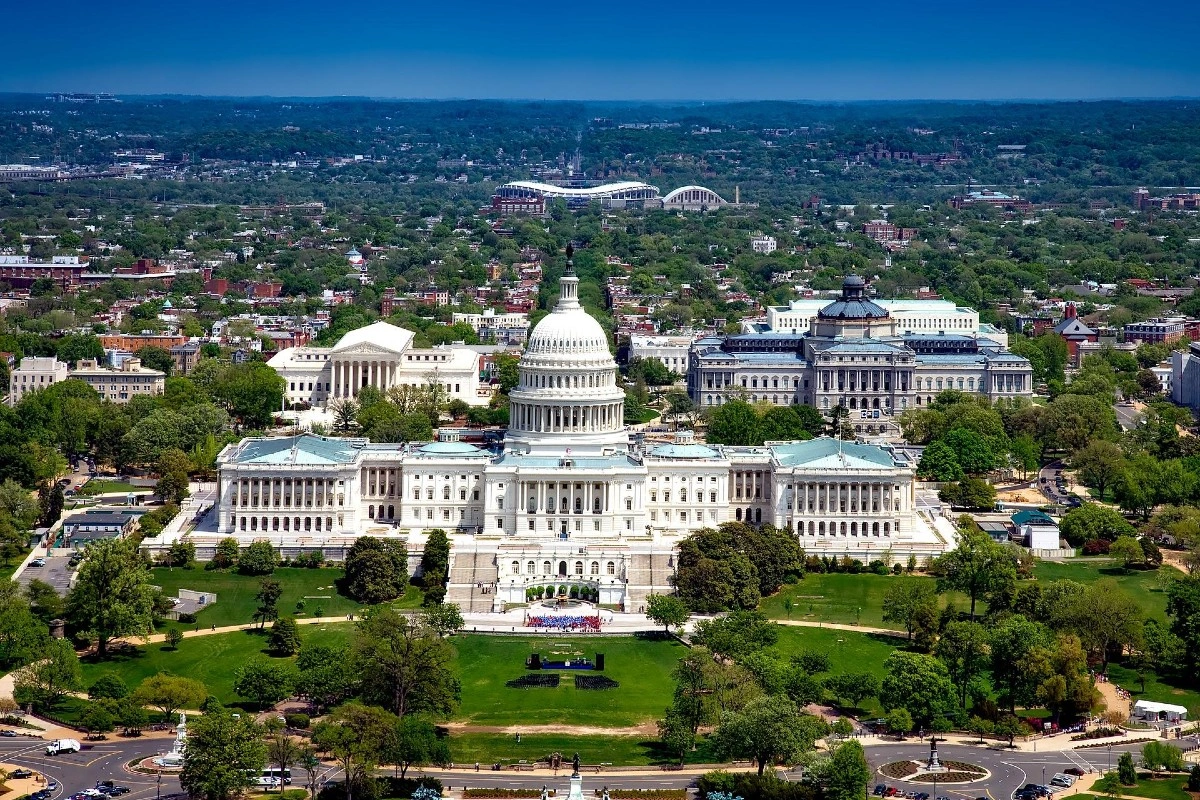
| The Power Corridor | High-density networking; historical depth. | Rigidity in social/professional norms. | Washington D.C., Boston, Philadelphia |
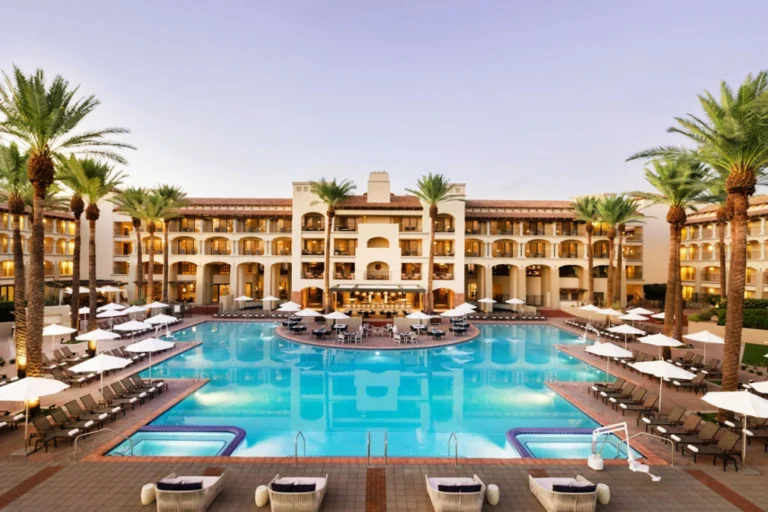
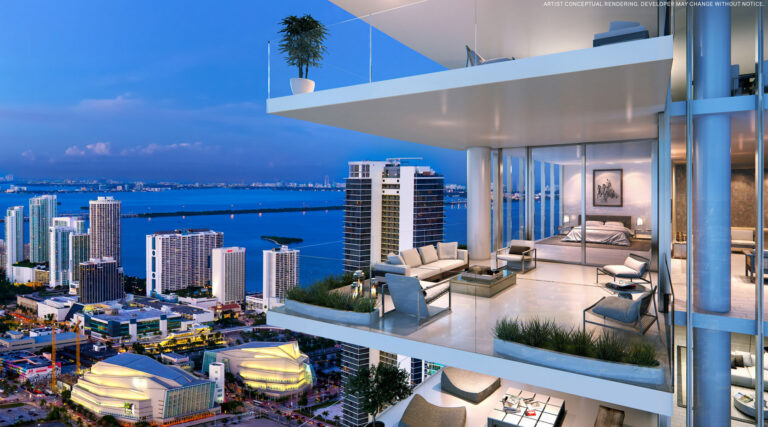
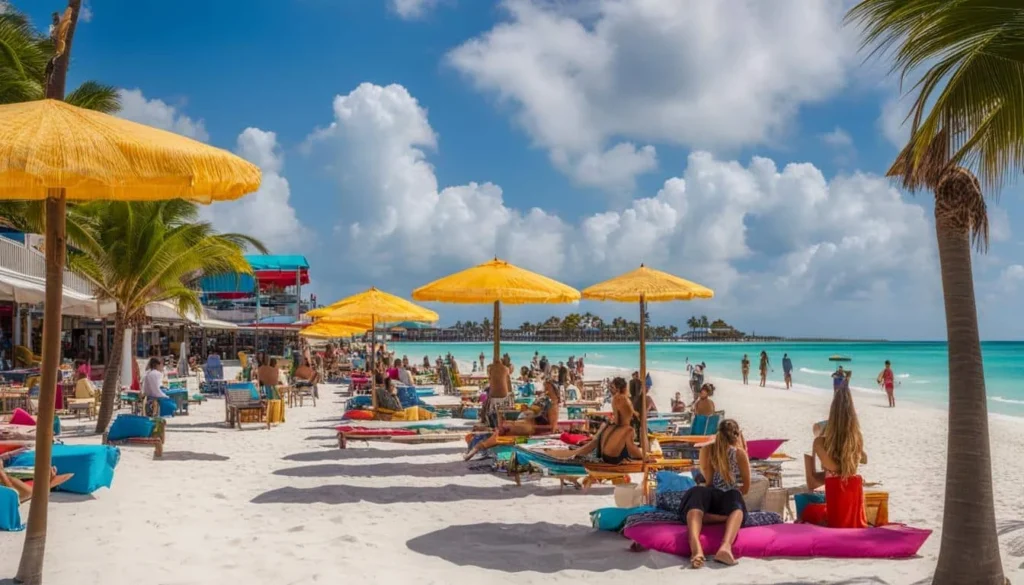
| The Sun & Scale Hub | Year-round reliability; wellness focus. | Potential for tourist saturation. | Miami, San Diego, Scottsdale |
| The Maritime Pivot | Quietude; sensory restoration. | Seasonal volatility; limited transit. | Portland (ME), Newport, Charleston |
Detailed Real-World Scenarios and Decision Logic
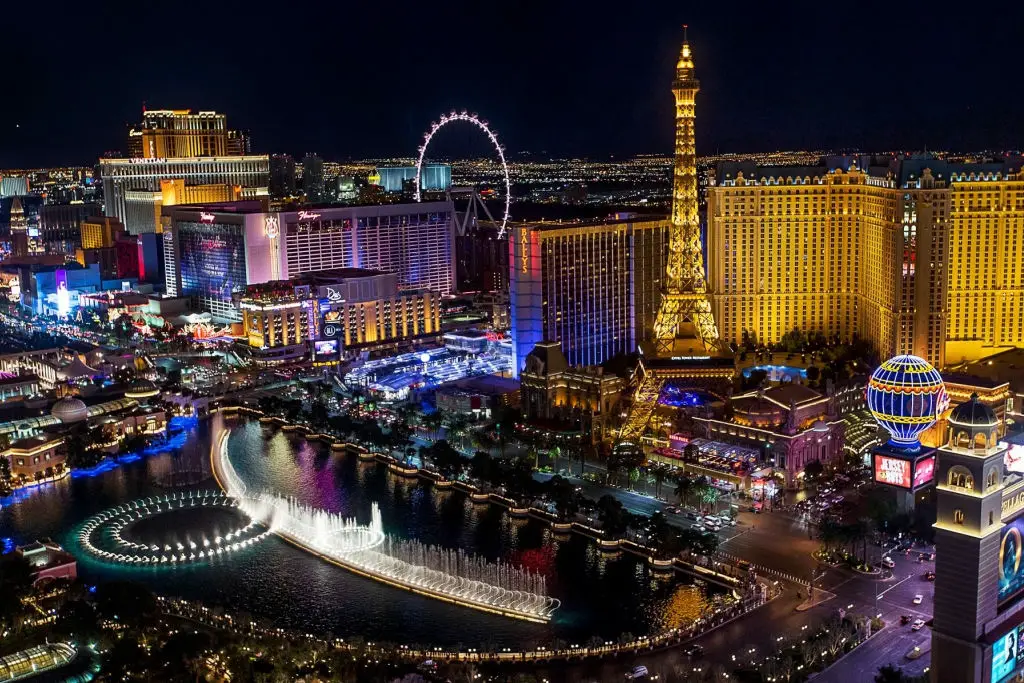
The “Convention Straddle” in Las Vegas
A marketing executive attends a 3-day conference at a major Strip hotel.
-
The Conflict: The Strip is high-stimulation and low-restoration.
-
The Decision: Stay on-site for the business mandate, but move to a non-gaming “Wellness Suite” or an off-Strip retreat near Red Rock Canyon for the 2-day leisure extension.
-
Outcome: The professional avoids “stimulation fatigue” and utilizes the proximity to world-class hiking to reset before returning home.
The “Nature Pivot” in Salt Lake City
A software team lead has two days of meetings in the downtown tech corridor.
-
The Logic: Salt Lake City offers one of the highest “Gigabit-to-Green” scores in the country.
-
The Action: They utilize the city’s light rail to move from the airport to downtown in 20 minutes, then use a Friday afternoon “Remote Day” to work from a mountain lodge just 30 minutes away.
-
Second-Order Effect: The lower cost of mid-week mountain lodging offsets the premium of the urban tech hotel.
Planning, Cost, and Resource Dynamics
The economic yield of a bleisure stay is determined by the “Amortization of Transit.” By extending the stay, the traveler effectively lowers the “Per-Restorative-Hour” cost of the primary flight, which is often the most expensive component of the trip.
2026 Bleisure Resource Mapping (Average Estimates)
| Category | Investment Type | Operational Risk | Primary Value |
| Aviation Anchor | Sunk/Employer Cost. | Flight cancellation/Delay. | Global access. |
| Ground Burn | Variable/Personal. | Local inflation/Surge pricing. | Nutrition/Restoration. |
| Administrative Tax | Indirect/Corporate. | Audit failure/Policy breach. | Compliance. |
| Connectivity Kit | Capital Expense. | Technical failure/Cybersecurity. | Output reliability. |
Tools, Strategies, and Support Systems
To effectively navigate the best bleisure destinations in the United States, travelers should deploy a specific “Lifestyle Stack”:
-
Split-Folio Billing Automation: Utilizing hotel property management systems (PMS) to pre-assign charges by date or category.
-
“Shadow-Fare” Documentation: Recording the price of a “Business-Only” itinerary at the time of booking to provide an evidentiary shield against audit challenges.
-
Coworking Reciprocity Memberships: Platforms that allow access to multiple U.S. cities under a single professional pass.
-
Geofenced Loyalty Programs: Utilizing apps that offer “Bleisure Packages” (e.g., discounted weekend rates if booked with a midweek stay).
-
Managed Apartment Subscriptions: Moving away from hotels for stays longer than five days to gain access to residential amenities (kitchen, laundry).
-
“Nexus” Tracking Apps: Tools that log physical presence to prevent accidental tax residency triggers in aggressive jurisdictions.
Risk Landscape and Taxonomy of Failure Modes
-
“The Infrastructure Shadow”: Relying on a destination that looks “connected” on a map but suffers from local network congestion or “dead zones” in historic buildings.
-
“The Burnout Paradox”: Planning an extension so logistically complex that the effort of the “leisure” portion exceeds the stress of the “business” portion.
-
“The Policy Gap”: Most companies have a “Duty of Care” for the business portion, but the individual is often legally and financially on their own for the extension. In 2026, many insurance providers have introduced specific “Bleisure Riders” to address this gap.
Measurement, Tracking, and Evaluation
How do you know if a destination is truly working? Use these indicators:
-
Leading Indicators: Coworking availability within 1 mile of the hotel; average internet speeds > 200Mbps; presence of non-chain, high-quality nutrition.
-
Lagging Indicators: Total output during “remote” hours; recovery time post-trip (did the leisure extension actually reduce the “return-to-work” drag?).
-
Documentation Examples:
-
The Bifurcated Ledger: A clear separation of spend by date and purpose.
-
The Activity Log: A record of professional meetings that justifies the “Anchor” of the trip.
-
Common Misconceptions and Oversimplifications
-
“If the flight price didn’t change, it’s free”: False. Tax authorities look at the “Primary Purpose” of the trip, not just the incremental cost.
-
“Bleisure is only for Gen Z”: False. 2026 data shows Boomers and Gen X are matching younger cohorts in adding leisure days for “Wellness” and “Glow-cations.”
-
“Any 5-star hotel is a bleisure hotel”: False. Many historic luxury properties have abysmal ergonomic standards and outdated power layouts.
-
“You can’t be productive in a ‘Leisure’ city”: False. Cities like Nashville and Savannah have some of the highest-rated coworking environments because they cater to a high-expectation transient workforce.
-
“The lobby is the workspace”: False. The high-level traveler demands privacy; the “Lobby-as-Office” is a legacy concept for the budget traveler.
-
“Remote towns want you there”: False. “Gentri-nomadism” has led to local pushback; ethical travelers stay in managed assets rather than competing for local housing.
Conclusion
The map of the best bleisure destinations united states is ultimately a map of human adaptability. In 2026, the cities that thrive are those that recognize the traveler is no longer a “visitor” but a “temporary resident.” Whether you find yourself in the tech-forward lofts of Denver or the historic courtyards of the French Quarter, the goal remains the same: to find a place where the professional mandate and the personal life are not in competition, but in a state of productive synergy. The definitive bleisure city is not just a destination; it is a tool for a more sustainable, high-performance career.