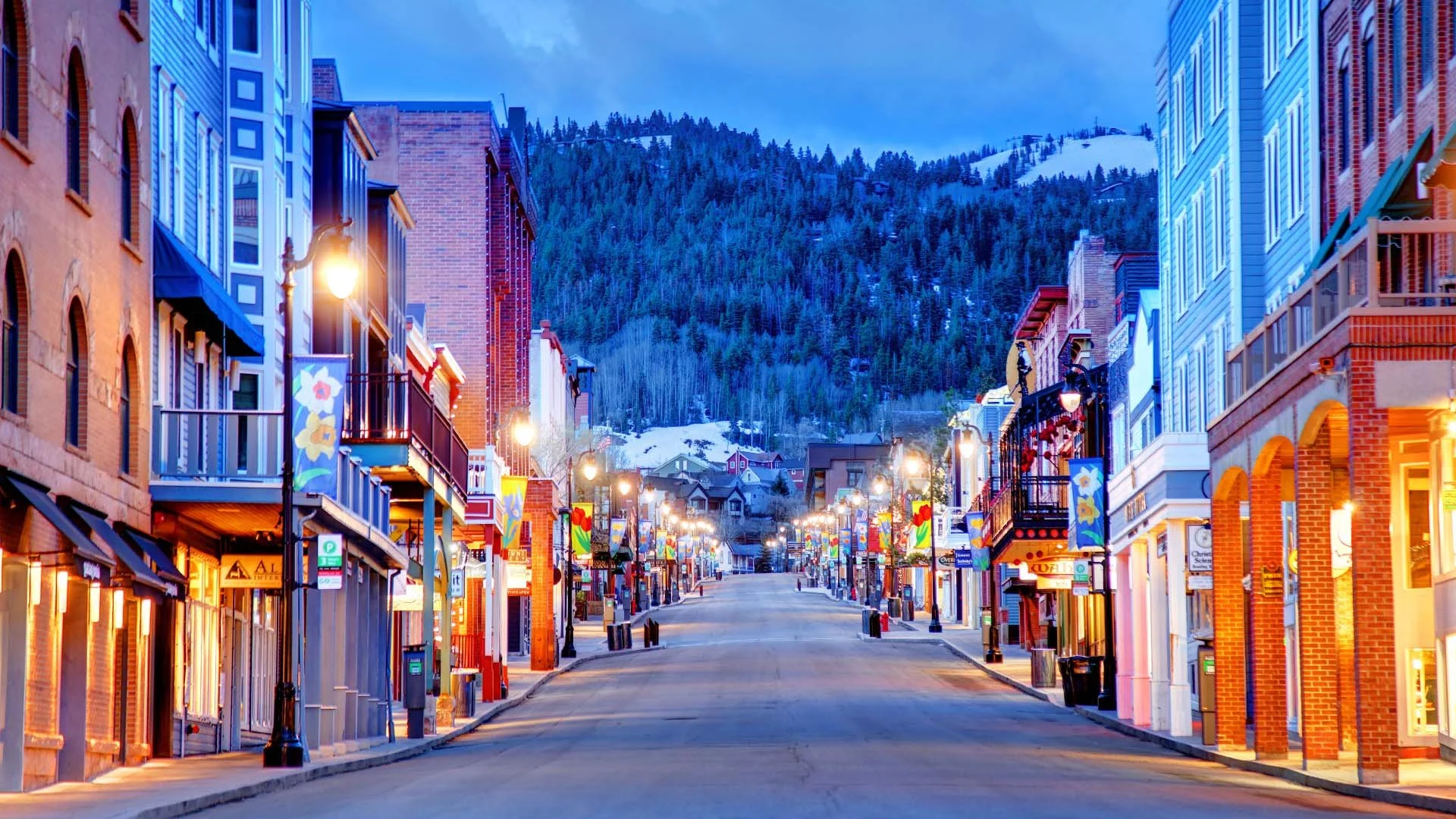
Best Bleisure Cities in the US: The 2026 Definitive Reference
The integration of professional commitments with personal rejuvenation, the “bleisure” phenomenon, has transitioned from a reactive travel hack into a cornerstone of the 2026 corporate ecosystem. As distributed work models mature, the search for the best bleisure cities in the US is no longer a simple quest for the nearest beach or a vibrant nightlife. It has become a sophisticated evaluation of “Infrastructure-to-Lifestyle” ratios. A city’s candidacy as a premier bleisure hub is now measured by its ability to provide seamless gigabit connectivity, “transient-friendly” coworking ecosystems, and immediate access to high-value leisure assets that justify extending a corporate stay.
The macroeconomic landscape of 2026 has introduced a new layer of discernment for the frequent traveler. With corporate travel budgets projected to increase by 5% globally and airfares stabilizing, the emphasis has shifted toward “Intentional Mobility.” Travelers are increasingly scrutinizing destinations based on “Frictionless Transitions,” the ability to move from a high-stakes boardroom or convention center to a world-class cultural or natural environment without the logistical tax of traditional tourism. This shift has favored cities that have aggressively modernized their downtown cores to support both the “suit” and the “surfboard.”
For the senior professional, the definitive list of top-tier destinations is not a static ranking but a dynamic portfolio of cities that solve for specific life-work imbalances. Whether it is the historic culinary depth of New Orleans, the high-altitude tech infrastructure of Denver, or the hyper-connected “Silicon Hills” of Austin, the selection of a bleisure destination is a strategic decision. This analysis provides the definitive framework for navigating the U.S. bleisure landscape, moving beyond superficial rankings to examine the systemic drivers that make these cities long-term authority assets for the modern worker.
Understanding “best bleisure cities in the us”
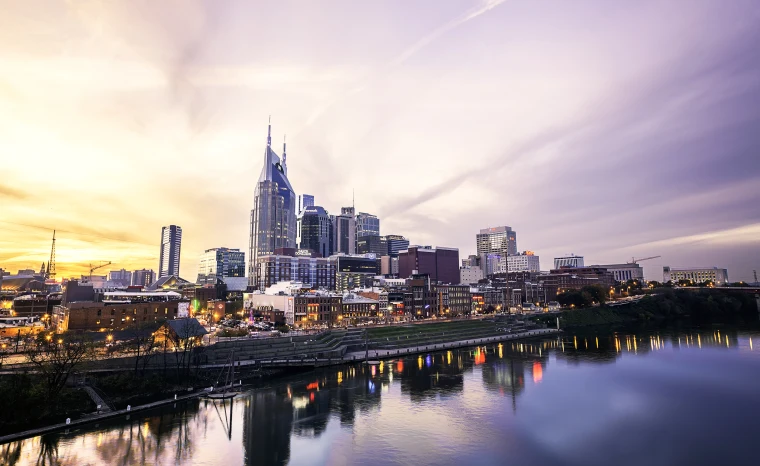
To identify the best bleisure cities in the US, one must move past the “Business Hotel + Theme Park” archetype. True bleisure mastery is found in cities that offer “Topical Density,” a high concentration of industry-specific networking opportunities adjacent to unique, non-commoditized leisure experiences.
Multi-Perspective Explanation
From a Professional Infrastructure Perspective, a top bleisure city must provide “Reliable Redundancy.” This means the presence of 100% fiber-optic coverage, a high density of coworking spaces (like Industrious or Venture X) per 100,000 residents, and proximity to major transit hubs. For instance, cities like Dallas and Irving, Texas, dominate this metric because they treat the city itself as an extension of the boardroom, with over 80% of hotels catering specifically to business needs.
From a Leisure Integrity Perspective, the city must offer an “Authentic Pivot.” The leisure extension should feel like a distinct departure from the corporate environment, not just a continuation of it in a different room. This is why New Orleans consistently ranks at the top; the transition from a modern convention center to the historic, jazz-filled streets of the French Quarter provides a cognitive reset that a standard suburban business park cannot match.
From a Logistical Efficiency Perspective, the “Eight-Minute Rule” applies. The best cities minimize the “dead time” between the airport, the hotel, and the attraction. Washington D.C. excels here, with Ronald Reagan National Airport being minutes away from both the power corridors of the Mall and the vibrant dining scenes of neighborhoods like Adams Morgan.
Oversimplification Risks
A common error is equating “High Tourism” with “High Bleisure Value.” Orlando, while a powerhouse for family-extended trips, can present “Operational Friction” for the solo professional due to overbuilt tourism corridors that prioritize mass-market entertainment over quiet productivity. Conversely, a city with great tech (like San Jose) may fail the bleisure test if its leisure offerings are purely utilitarian or require long commutes.
Contextual Background: The Great Urban Pivot
The evolution of the American bleisure city has followed a “Linear-to-Modular” trajectory. In the pre-2020 era, business travel was a discrete unit: airport to hotel to office and back. Post-pandemic, the “Great Reshuffle” led to a saturation of remote work, turning every city into a potential office. However, by 2026, we will have entered the era of “Infrastructure Maturity.”
Cities like Denver and Seattle have invested billions into modernizing their tech stacks specifically to attract “High-Yield Transients” workers who stay for 5 to 7 days, spending significantly more per day than traditional tourists. The “Silicon Forest” of Portland and the “Silicon Hills” of Austin are no longer just tech hubs; they are lifestyle brands. This systemic evolution has created a competitive “Race to the Top” where cities must prove they can support a “Glow-cation” where beauty, wellness, and business intersect.
Conceptual Frameworks for Bleisure Selection
Selecting a destination requires a mental model that weighs professional output against personal restoration.
1. The “Anchor and Tail” Framework
The business obligation (the Anchor) must dictate the primary geography, but the leisure extension (the Tail) must offer a high “Restoration-to-Rent” ratio. If the tail is too expensive or logistically heavy, the trip loses its restorative value.
2. The “3:2 Ratio” Heuristic
A successful bleisure trip often follows a 3-day business, 2-day leisure split. Cities that cannot sustain 48 hours of high-quality, diverse leisure activity (beyond just bars and restaurants) fail this model.
3. The “Gigabit-to-Green” Index
This model evaluates the distance between a high-speed workstation and a “Nature Break.” Denver is the gold standard here, offering world-class fiber networks with the Rocky Mountains accessible within a 30-minute drive.
Key Categories of U.S. Bleisure Destinations
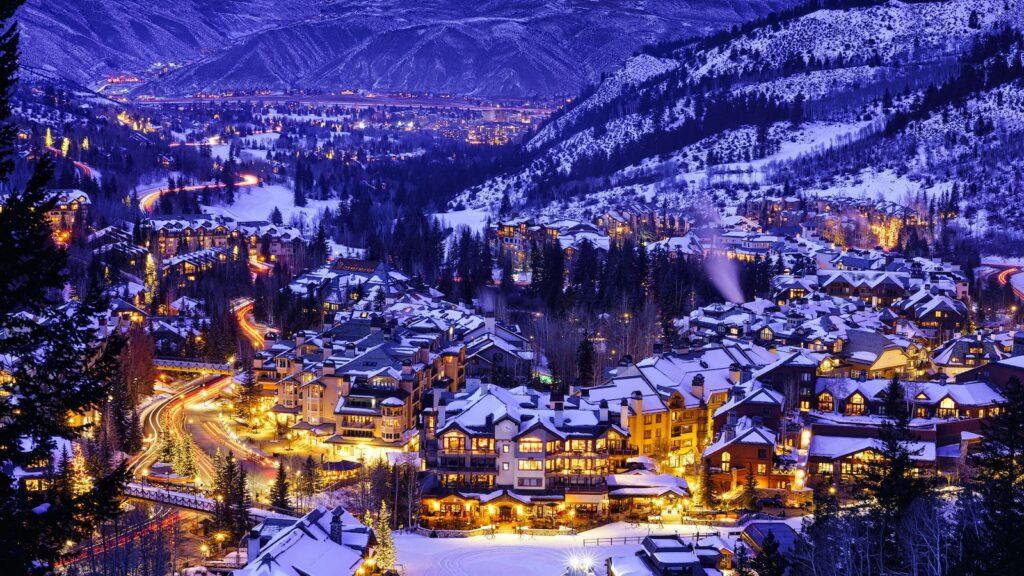
The best bleisure cities in the US generally fall into four distinct archetypes, each with its own trade-offs.
| Archetype | Representative Cities | Primary Strength | Critical Trade-off |
| The Cultural Anchor | New Orleans, Nashville | Unmatched authenticity/food | Infrastructure can feel “legacy.” |
| The Tech Oasis | Austin, Denver, Seattle | Modern infrastructure/Outdoor access | High cost of leisure services |
| The Power Hub | Washington D.C., Boston | High-density networking/History | Rigidity in professional social norms |
| The Sun & Scale | Miami, San Diego | Year-round climate/Lifestyle | Potential for “Tourism Saturation” |
Decision Logic: Matching Persona to Place
-
The Creative Strategist: Thrives in New Orleans or Nashville, where the ambient noise is inspiration.
-
The High-Performance Engineer: Needs the efficiency of Dallas or the “Deep Work” potential of Denver.
-
The Policy/Finance Professional: Benefits from the high-stakes environment of D.C. or New York City, where “leisure” often includes high-level networking.
Detailed Real-World Scenarios and Decision Logic
The “Convention Straddle” in Las Vegas
A marketing executive attends a 3-day conference at the Mandalay Bay.
-
The Conflict: Las Vegas is often seen as “over-stimulating.”
-
Decision Point: Stay on the Strip for business; move to a non-gaming hotel (like the Vdara) or an off-Strip retreat near Red Rock Canyon for the leisure extension.
-
Failure Mode: Attempting to “relax” in a high-traffic casino hotel while trying to hit a Monday deadline.
The “Nature Pivot” in Denver
A software team lead has two days of client meetings in the Tech Center.
-
The Logic: Denver’s infrastructure (249+ coworking spaces) allows for a Thursday “Remote Day” followed by a Friday-Saturday mountain trip.
-
Second-Order Effect: The lower airfare for a Saturday return often offsets the cost of a rental car for the mountains.
Planning, Cost, and Resource Dynamics
The “Total Cost of Bleisure” is frequently misunderstood. While the flight is “free” (paid by the company), the incremental costs of an extended stay can be significant.
Cost Variability by City Archetype (2026 Estimates)
| City | Avg. Hotel ADR (Business) | Avg. Daily Leisure Spend | “Friction” Cost (Transit) |
| New York City | $450 – $600 | High ($200+) | Low (Public Transit) |
| Nashville | $280 – $400 | Medium ($120) | High (Rideshare dependent) |
| Austin | $250 – $350 | Medium ($100) | Medium |
| New Orleans | $180 – $280 | High (Dining focus) | Low (Walkable core) |
Tools, Strategies, and Support Systems
To maximize a stay in the best bleisure cities in the US, travelers should deploy a specific “Lifestyle Stack”:
-
“Split-Folio” Billing Apps: Essential for separating personal minibar or spa charges from corporate lodging at the point of sale.
-
Coworking Reciprocity Memberships: Platforms like Industrious or WeWork that allow access in multiple cities under one pass.
-
Transit Layering: Using the “I-RIDE” trolley in Orlando or the “St. Charles Streetcar” in New Orleans to avoid high surge pricing for rideshares.
-
Local “Pillar” Filters: Using TripAdvisor data specifically filtered for “Business-Friendly Dining” to avoid the noise of family-centric tourist traps.
-
Geofenced Loyalty Programs: Utilizing Marriott or Hilton apps that offer “Bleisure Packages” (e.g., discounted weekend rates if booked with a midweek stay).
-
“Dark Kitchen” Delivery: Leveraging cities with high “Foodie density” (like Chicago or Denver) to maintain productivity without the time-sink of restaurant dining.
Risk Landscape and Failure Modes
The primary risks of bleisure are not just financial; they are cognitive and professional.
-
“The Over-Saturation Trap”: Choosing a city like Miami during a peak festival weekend, where the “Leisure” noise prevents the “Business” focus.
-
“The Infrastructure Mirage”: Assuming a “vibrant” city has reliable Wi-Fi. Many historic cores (in cities like Savannah or Boston) have “dead zones” that can derail a remote work day.
-
“The Policy Gap”: Most companies have a “Duty of Care” for the business portion, but the individual is often on their own for the extension. In 2026, many insurance providers will have specific “Bleisure Riders” to address this gap.
Measurement, Tracking, and Evaluation
How do you know if a city is truly working for you? Use these indicators:
-
Leading Indicators: Coworking availability within 1 mile of the hotel; average internet speeds > 200Mbps; presence of non-chain dining.
-
Lagging Indicators: Total output during “remote” days; recovery time post-trip (did the leisure extension actually reduce burnout?).
-
Documentation Examples:
-
The “Comparison Fare” Screenshot: Proving the Friday-Sunday stay didn’t increase the corporate flight cost.
-
The “Output Log”: A simple list of tasks completed during the “leisure-adjacent” work hours to justify the trip to management.
-
Common Misconceptions and Oversimplifications
-
“Big cities are always better”: False. Mid-sized hubs like Irving, TX, or St. Louis often have better infrastructure-to-cost ratios than NYC or LA.
-
“Bleisure is only for Gen Z”: False. 2026 data shows Boomers and Gen X are matching younger cohorts in adding leisure days, primarily for “Wellness” and “Glow-cations.”
-
“It’s just a tax loophole”: False. It is a retention strategy. 59% of employees report higher productivity after a blended trip.
-
“You can’t be productive in a ‘Leisure’ city”: False. Cities like New Orleans have some of the highest-rated coworking environments because they cater to a high-expectation transient workforce.
-
“Hotel Wi-Fi is enough”: False. In a top bleisure city, you need a backup (coworking or 5G/6G hotspots) because hotel networks are often the first point of failure.
Conclusion
The map of the best bleisure cities in the US is ultimately a map of human adaptability. In 2026, the cities that thrive are those that recognize the traveler is no longer a “visitor” but a “temporary resident.” Whether you find yourself in the tech-forward lofts of Denver or the historic courtyards of the French Quarter, the goal remains the same: to find a place where the professional mandate and the personal life are not in competition, but in a state of productive synergy. The definitive bleisure city is not just a destination; it is a tool for a more sustainable, high-performance career.