Top Workcation Experiences in America: The 2026 Definitive Reference
The reconfiguration of the American workspace has moved beyond the transitional phase of “remote-capable” into the permanent architecture of “location-independent productivity.” While the early iterations of this movement focused on the mere ability to work from home, the 2026 landscape is defined by the strategic pursuit of cognitive variety. This shift has elevated the “workcation,” the deliberate integration of a professional period within a high-value leisure environment, from a luxury perk to a vital tool for institutional and personal resilience. The objective is no longer just to maintain output while away from the office, but to leverage a change in geography to catalyze a higher level of creative and analytical performance.
However, the proliferation of options has introduced a significant degree of logistical noise. For the high-level professional, a successful workcation is not simply a matter of finding a hotel with a desk; it is an exercise in “Environmental Engineering.” It requires a sophisticated alignment of digital infrastructure, circadian rhythm management, and access to specific restorative modalities that counteract the cognitive load of deep work. When executed correctly, these experiences serve as a profound reset for the “knowledge worker,” yet when poorly planned, they result in the “worst of both worlds,” fragmented productivity and insufficient relaxation.
In America, the diversity of ecosystems from the high-altitude tech hubs of the Rockies to the maritime quietude of the New England coast offers a unique portfolio of opportunities for this type of blended mobility. Yet, identifying the top workcation experiences in America requires looking past the glossy marketing of resort towns and examining the underlying systemic drivers: connectivity resilience, time-zone compatibility, and the “Third-Place” density of the destination. This article provides a definitive reference for architecting these high-stakes mobility events, moving beyond surface-level travel tips toward a rigorous framework for professional and personal optimization.
Understanding “top workcation experiences in America.”
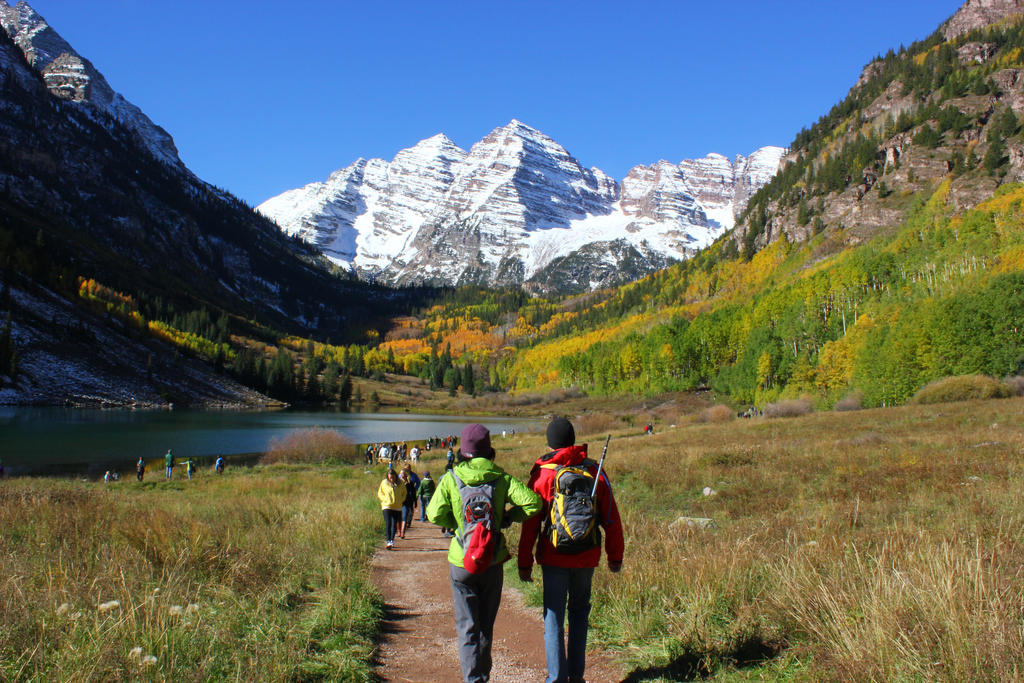
To define the top workcation experiences in America, one must first decouple the concept from traditional vacationing. A workcation is not a holiday with a few emails; it is a period of “Sovereign Productivity” facilitated by a superior environment.
Multi-Perspective Explanation
From a Cognitive Perspective, excellence in a workcation is defined by “The Attention Restoration Theory” (ART). This suggests that exposure to specific natural environments, such as the “soft fascination” of a mountain range or a coastal vista, allows the brain’s directed-attention mechanisms to recover. The best American experiences are those that place a professional within a five-minute transition of these restorative stimuli.
From a Technical Perspective, a premier experience requires “Infrastructure Invisibility.” This means the presence of redundant fiber-optic lines, low-latency 5G/6G mesh networks, and ergonomic environments that match or exceed a dedicated home office. In the 2026 American market, this is increasingly found in “Managed Work-Residences” in cities like Denver, Austin, or Salt Lake City, where the property is built specifically for the blended traveler.
From a Fiscal Perspective, the workcation is an exercise in “Value-Added Presence.” While the direct costs of a workcation in a high-demand node (like Napa Valley or Jackson Hole) may be higher than a stay-at-home period, the “Second-Order Value” measured in burnout prevention, networking potential, and creative breakthroughs justifies the premium.
Oversimplification Risks
The most prevalent error is the “Infrastructure Mirage.” Many travelers assume that a “luxury” rating translates to “work-readiness.” In reality, some of the most expensive resorts in the U.S. have legacy Wi-Fi systems that collapse under the weight of high-bandwidth video conferencing or secure VPN tunnels. Another risk is “Temporal Misalignment,” where a traveler moves into a time zone that forces them to work through the very leisure hours they intended to enjoy, effectively negating the purpose of the trip.
Contextual Background: The Industrial Evolution of Mobility
The American workcation has evolved through three distinct phases. Phase I (2010–2019) was the “Digital Nomad Fringe,” largely populated by freelance creatives and tech entrepreneurs who operated out of budget-friendly hubs or van-life setups. Phase II (2020–2024) was the “Reactive Mass Migration,” where corporate employees were forced into remote work and began experimenting with “Work from Anywhere” (WFA) without significant logistical preparation.
By Phase III (2025–2026), we have reached “Institutional Maturity.” Organizations now recognize that “Blended Mobility” is a competitive necessity for talent retention. This has led to the development of a sophisticated “Workcation Infrastructure” across the U.S. Real estate developers have pivoted from traditional hotels to “Hybrid Living Assets” that offer soundproofed Zoom rooms and communal professional lounges. This systemic shift is particularly visible in the “Mountain West” and “Sun Belt” regions, which have seen a multi-billion-dollar investment in professional-grade hospitality assets.
Conceptual Frameworks and Mental Models
Strategic workcation selection requires mental models that prioritize “Operational Continuity.”
1. The “Bandwidth-to-Nature” Ratio
This model evaluates a destination by the physical distance between a high-speed workstation and a world-class outdoor asset. A “Top Tier” experience offers a ratio where the transition time is under ten minutes.
2. The “Biometric-Baseline” Heuristic
Before selecting a location, the professional should evaluate their own biometric response to environments. Does high altitude (e.g., Aspen) increase your cortisol, or does it catalyze focus? Does maritime humidity (e.g., Charleston) improve your sleep quality? The best experience is one that aligns with your specific physiological “Performance Window.”
3. The “Third-Place” Density Matrix
A workcation fails if the traveler is isolated in a room. This framework looks for destinations with a high density of “Professional Third Places”—high-end cafes, coworking hubs, and library lounges where one can work among a peer group of other high-performers, maintaining a “Professional Ambient” even while away from the office.
Key Categories of U.S. Workcation Modalities
| Category | Representative Node | Primary Lever | Key Trade-off |
| High-Altitude Tech | Denver/Boulder, CO | Cognitive Clarity | Altitude sickness risks |
| Maritime Maritime | Portland, ME / Newport, RI | Sensory Reset | Seasonal volatility |
| Desert Modernism | Scottsdale, AZ / Palm Springs | Visual Minimalism | Extreme heat constraints |
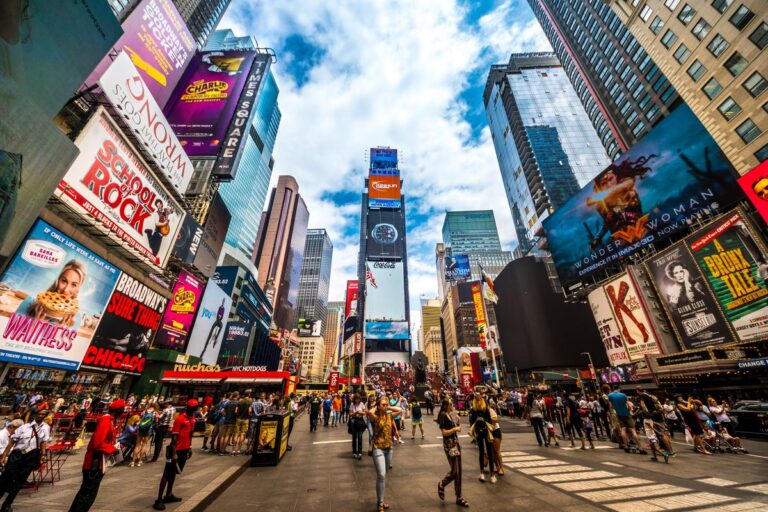
| The Urban Pivot | Austin, TX / Nashville, TN | Networking Density | High noise floor |
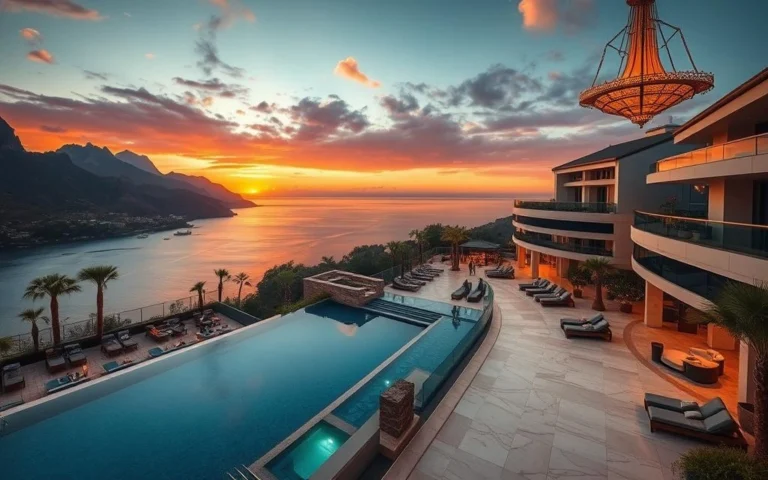
| Agricultural Retreat | Napa/Sonoma, CA | High-End Restoration | Significant cost premium |
| The Forest Enclave | Asheville, NC / Bend, OR | Deep Work Isolation | Potentially slower transit |
Decision Logic: Matching Output to Environment
-
Deep Work (Writing/Coding): Best served by “The Forest Enclave” or “Maritime Quietude,” where external stimuli are low and consistent.
-
Collaborative Sprints: Best served by “The Urban Pivot” or “High-Altitude Tech,” where proximity to other hubs allows for “In-Person” overlap if needed.
-
Strategic Renewal (Planning): Best served by “Desert Modernism” or “Agricultural Retreats” where the aesthetic environment encourages “Long-View” thinking.
Detailed Real-World Scenarios and Decision Logic
The “East-West” Time Zone Arbitrage
A New York-based financial analyst takes a workcation in Seattle.
-
The Logic: By working on EST hours (6:00 AM – 2:00 PM local time), the analyst finishes their professional day by mid-afternoon, leaving four hours of daylight for Pacific Northwest exploration.
-
Failure Mode: Failing to account for the “Early Start” fatigue, leading to a decline in afternoon leisure quality.
-
Outcome: High professional output and high personal satisfaction through “Asynchronous Alignment.”
The “High-Burn” Hub vs. “Value Node”
A consultant chooses between a workcation in San Francisco and one in Boise, Idaho.
-
The Conflict: SF offers a higher network, ng but Boise offers 50% lower overhead with similar access to nature.
-
The Decision: Boise is chosen because the lower “Ground-Level Burn” (cost of living) allows for a longer, 14-day stay, whereas the SF budget would only cover 5 days.
-
Second-Order Effect: The 14-day stay allows for a deeper “Physiological Reset,” which was the primary goal.
Planning, Cost, and Resource Dynamics
The “Fiscal Integrity” of a workcation depends on distinguishing between “Fixed” and “Variable” overheads.
Workcation Cost-Benefit Analysis (2026 Estimates)
| Expense Category | Low-End (Regional) | Mid-Range (Hub) | High-End (Elite) |
| Professional Housing | $150/night | $350/night | $750+/night |
| Connectivity/Coworking | Included | $50/day (Pass) | $150/day (Private) |
| Nutrition/Ground Burn | $60/day | $100/day | $250/day |
| Restorative Activities | Free (Hiking) | $100 (Classes) | $500 (Guided) |
Tools, Strategies, and Support Systems
To sustain the top workcation experiencesAmericarica, professionals should deploy a “Mobility Stack”:
-
Redundant Power/Data: Utilizing portable power stations and dual-SIM 6G hotspots to bypass local power outages or Wi-Fi failures in rural nodes.
-
Acoustic Management: Using active noise-canceling peripherals and “Portable Sound-Shields” to create a private office environment in public or semi-private spaces.
-
Ergonomic “Fly-Away” Kits: Lightweight, foldable laptop stands and mechanical keyboards that ensure “Desk Health” regardless of the furniture provided.
-
Time-Zone Syncing Software: Tools that automatically adjust calendar invites and communication windows to prevent “Time-Zone Contamination.”
-
VPN-Hardened Routers: Travel routers that provide a pre-encrypted “Safe-Bubble” for all devices, essential for maintaining corporate security in public networks.
-
“Daily Habit” Anchors: Bringing small, physical items (a specific coffee kit, a travel yoga mat) to maintain a psychological “Work Mode” trigger in a new environment.
Risk Landscape and Taxonomy of Failure Modes
-
“The Connectivity Collapse”: Relying on a single source of internet in a “Remote” location that has not been verified for professional use.
-
“The Boundary Dissolution”: When the lack of a physical office leads to “Work-Creep,” where the professional ends up working more hours than they would have at home, destroying the leisure value.
-
“The Cultural Mismatch”: Selecting a destination (e.g., a “party” hub) when the goal was “Deep Work,” leading to a high “Environmental Noise Floor.”
Governance, Maintenance, and Long-Term Adaptation
A successful workcation program, whether for an individual or a firm, requires a “Review Cycle.”
-
The “Post-Stay Audit”: Evaluating if the destination actually delivered on its “Restoration” promise. Did the Wi-Fi hold? Was the noise level acceptable?
-
Layered Compliance Checklist:
-
Has the “Bandwidth Stress-Test” been confirmed via local logs?
-
Is the time-zone overlap compatible with “Prime-Time” meetings?
-
Does the housing have a dedicated, ergonomic work surface (not a bed)?
-
Is there a “Fail-Safe” coworking hub within 15 minutes of the residence?
-
Measurement, Tracking, and Evaluation
-
Leading Indicators: “Mbps Stability”; “Distance to Green Space”; “Proximity to high-quality nutrition.”
-
Lagging Indicators: “Output per hour vs. Home Base”; “Self-reported Burnout Score post-trip”; “Total sleep quality (via wearable data).”
-
Documentation Examples:
-
The “Workcation Itinerary”: A document shared with the team that shows “Active Hours” vs. “Leisure Blocks” to manage expectations.
-
The “Tech-Log”: A record of any infrastructure failures to avoid that destination in the future.
-
Common Misconceptions and Oversimplifications
-
“You can work from anywhere”: False. Many locations are “Consumption-Only” nodes and lack the basic professional infrastructure for “Production.”
-
“It’s a vacation”: False. If you treat it as a vacation, your professional reputation will suffer; if you treat it as work, your mental health will suffer. It is a third category of movement.
-
“Hotel Wi-Fi is enough”: False. 2026 enterprise security and high-def video require speeds that 90% of hotels cannot consistently provide.
-
“Remote towns want you there”: False. “Gentri-nomadism” has led to local pushback in some hubs. The ethical traveler researches their impact on local housing.
-
“You’ll save money”: False. A high-quality workcation is almost always more expensive than a home-based period. The ROI is in “Human Capital,” not “Cash Flow.”
-
“It’s only for tech workers”: False. Analysts, lawyers, editors, and executives are the fastest-growing cohorts in the American workcation sector.
Ethical and Contextual Considerations
The pursuit of the top workcation experiences in America must be balanced with “Community Stewardship.” The influx of high-income professionals into smaller, “lifestyle” towns (like those in Vermont or the mountain towns of Idaho) has led to significant inflationary pressure on local housing. The intellectually honest professional acknowledges this “Externalized Cost.” Ethical workcationing in 2026 involves staying in “Managed Assets” built for transients rather than competing for local long-term housing, and actively contributing to the local “Ground-Level Economy” through direct spending rather than reliance on global delivery apps.
Conclusion
The architecture of the American workcation is a testament to the “Sovereignty of the Knowledge Worker.” In 2026, the destinations that define the top workcation experiences in America are those that solve for the total human, not just the producer or the consumer. Whether it is the cognitive clarity found in the high deserts of the Southwest or the maritime focus of the North Atlantic, the goal remains the same: to find a geography that amplifies one’s professional frequency while offering a profound personal reset. A successful workcation is not an escape from work; it is an evolution of it.